
History & Tradition
The Story of Kilroy
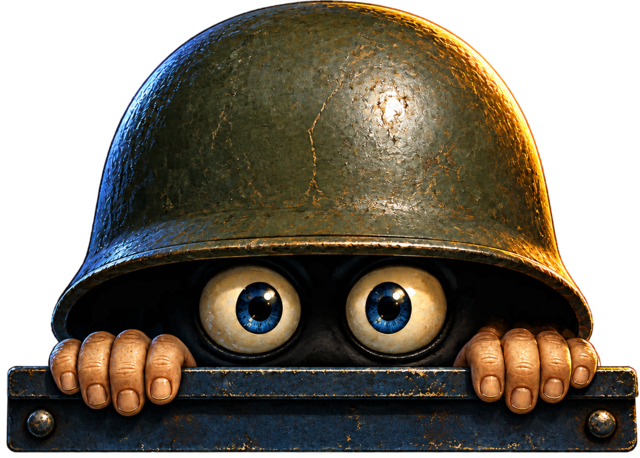
During World War II, the words “Kilroy was here” appeared wherever American servicemen traveled. The phrase was often joined by a simple drawing of a bald-headed man peeking over a wall, his long nose and fingers visible above the edge.
The mark became a playful claim that an American GI had arrived first. It appeared on ships, barracks, bridges, walls, equipment, and newly occupied positions across the world. Kilroy seemed to be everywhere—and that apparent omnipresence quickly produced legends of its own.
James J. Kilroy and the shipyard phrase
The most widely accepted origin of the words traces them to James J. Kilroy of Halifax, Massachusetts. During the war, Kilroy worked as an inspector at Bethlehem Steel’s Quincy shipyard, checking tanks, double bottoms, and other enclosed sections of warships under construction.
To show supervisors that he had inspected an area, Kilroy marked it in yellow crayon with the words “Kilroy was here.” Many of those ships left the yard before their interior spaces were painted. Sailors later opening sealed compartments for maintenance encountered the unexplained name inside places that appeared almost impossible for an outsider to have reached.
Thousands of shipyard workers entered military service, while countless sailors traveled aboard ships Kilroy had inspected. Together, they may have carried his name from the shipyard into the wider world.
Stories eventually claimed that Adolf Hitler ordered officials to discover Kilroy’s identity and that Joseph Stalin encountered the mysterious name inside a private outhouse during the Potsdam Conference. These stories belong to Kilroy folklore, but they demonstrate how completely the character entered wartime culture.
Mr. Chad provides the face
The familiar face was originally separate from the American phrase. In British popular culture, the peeking figure was known as Mr. Chad. He commonly appeared beside the complaint “Wot? No _____?” with the blank filled by something in short supply, such as petrol or bread.
One frequently repeated account connects the shape to a diagram of an electrical circuit drawn during wartime radar instruction. Whether that story records the drawing’s true beginning or merely a clever explanation added afterward, Mr. Chad was already familiar to British servicemen.
Australia had a similar character called Mr. Foo, whose history may reach back to the First World War. Like many pieces of service folklore, these figures evolved as they passed between units, countries, and generations.
When the words met the face
At some point, the American phrase and British drawing were joined. From then on, the words and face became practically inseparable. The combined Kilroy appeared throughout the American wartime presence, especially around newly reached or captured locations.
Stories even tell of Navy underwater demolition teams reaching Japanese-held islands ahead of Allied landings only to find that Kilroy had somehow beaten them there. The joke was simple: no matter how remote the destination, Kilroy had arrived first.
The character remains part of America’s memory of the war. A Kilroy engraving can be found at the National World War II Memorial in Washington, D.C., ensuring that the anonymous traveler still peers over one more wall.
Kilroy at Tides of War
Kilroy once appeared wherever servicemen traveled, leaving behind a small reminder that someone had passed that way before. Years ago, Tides of War continued that tradition through occasional appearances by its own Kilroy.
Now he has returned. As members explore Tides, Kilroy may occasionally peek around a corner, inspect a familiar page, or leave a message behind. His appearances connect the history we enjoy with the community we continue to build.
If you see him, remember: Kilroy was here—and Tides still is.